

How Does a Penis Extender Work?
Do you want to know how penis extenders work? Learn about the traction device, what it can do, and what you should consider before trying it!
Updated on Oct 29, 2026
Before considering a penis extender, it helps to understand what the device actually does. Different models use rods, supports, and fastening systems, so choosing one can feel confusing when you're unfamiliar with the design.
A penis extender applies controlled mechanical tension rather than producing an immediate change in size. However, the way it works should not be confused with the results a seller claims it can deliver.
This guide explains the basic mechanism, what clinical research suggests, how extenders compare with vacuum pumps, and which safety factors deserve attention before you consider using one.

1. Understanding Penis Extenders
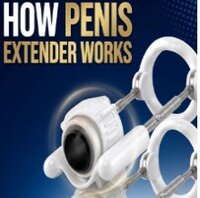
A penis extender, also known as a penile traction device, is a non-surgical product designed to apply a pulling force along the penis. Many traditional models feature adjustable rods, a base support, and a system that holds the penis in place. Other designs may use different fitting mechanisms.
These devices are intended to maintain controlled tension over a period of time. They do not all work identically, so fitting methods, adjustment options, and recommended wearing schedules should be checked against the instructions for the specific model.
If you're comparing available products, our complete guide to penis extenders covers the topic in more detail.
You can also explore our guide to the best penis enlargement devices, pumps, and extenders
2. How the Traction Mechanism Works
When correctly fitted, a traction device places a measured pulling force along the penile shaft. Researchers believe that repeated mechanical tension may influence tissue adaptation over time, although the biological processes involved are not fully understood.
Unlike a vacuum pump, an extender is not designed to create temporary fullness by drawing blood into the penis. Its intended mechanism relies on sustained or repeated traction rather than an immediate visual change.
Several factors can affect how a device is used, including its fit, tension settings, and wearing schedule. Increasing the force or using it longer than directed does not guarantee better results and may raise the risk of discomfort or injury.
Penile traction has also been investigated for medical conditions such as Peyronie's disease, which can cause curvature. Medical treatment for curvature is a different goal from cosmetic enlargement, so advice for one use should not automatically be applied to the other.
3. What Research Says About Results
Some clinical studies have reported increases in penile length among men using traction devices. However, the research varies in participant numbers, device types, treatment schedules, and measurement methods. These differences make it difficult to predict how an individual consumer will respond.
The European Association of Urology guidance discusses reported length changes while highlighting limitations in the available evidence, including small studies and varied research methods.
The Fifth International Consultation on Sexual Medicine also discusses traction as a possible lengthening approach, while acknowledging that reported gains are limited. These findings do not establish that every device will produce the same outcome.
Evidence for permanent increases in penile girth is less convincing. Treat claims about guaranteed growth, improved erections, or dramatic changes with caution, especially when a product page does not provide credible supporting research.
4. Extenders Compared With Pumps
Penis extenders and vacuum pumps are often marketed for similar concerns, but their mechanisms differ. An extender applies traction, while a vacuum erection device uses negative pressure to draw blood into the penis and help produce an erection.
A vacuum pump can temporarily increase fullness, but that effect should not be mistaken for permanent enlargement. Evidence supporting vacuum devices for lasting length increases remains limited.
For a broader comparison of device categories, read our guide to penis enlargement devices, pumps, and extenders. You can also review our guide to the best penis pumps to understand the available pump options.

5. Expected Timeframe for Changes
Penile traction should not be viewed as a quick fix. Studies that report possible length changes generally assess outcomes over weeks or months, and their schedules can differ substantially.
There is no single timeframe or guaranteed amount of change that applies to everyone. Results may vary with the device, the protocol followed, and individual circumstances. Some users may not notice a measurable difference.
Be skeptical of claims promising dramatic gains within days. More tension or longer sessions are not shortcuts to better results. Follow the device instructions and, when using traction for a medical concern, your healthcare professional's advice.
6. Safe Use and Device Selection
A device that fits poorly or applies excessive tension may cause pain, bruising, irritation, swelling, or numbness. Remove it if you experience pain, unusual discoloration, or changes in sensation. Seek medical attention if symptoms are severe or do not resolve after removal.
Before choosing a model, review its fitting system, adjustment controls, materials, instructions, and stated restrictions. Testimonials and promises of guaranteed growth are not substitutes for reliable evidence or clear safety information.
Our guide to penis traction devices and their features provides another resource to consult when comparing options.
If you have penile curvature, persistent pain, a previous injury, or another urological concern, speak with a qualified healthcare professional before using a traction device. Do not sleep while wearing one unless the manufacturer specifically permits it and your clinician confirms that it is appropriate for you.
Final Thoughts
A penis extender applies controlled traction with the aim of encouraging gradual tissue adaptation. Clinical research suggests that some users may experience length changes, but the evidence has limitations and individual outcomes are not guaranteed.
Before buying a device, look beyond promotional claims. Check how it fits, understand its instructions, and consider the quality of the supporting evidence. If you're unsure whether traction is suitable for you, a urologist can help you evaluate the potential benefits and risks.
